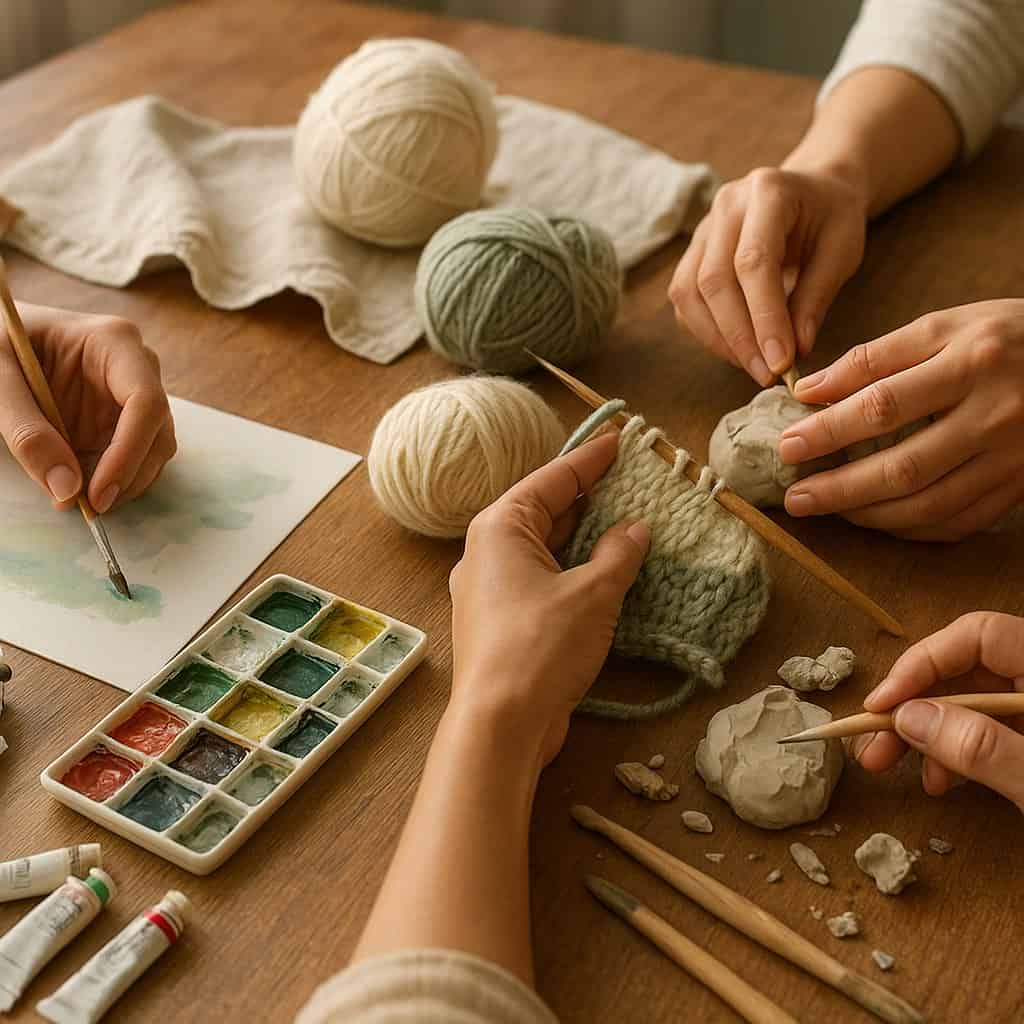
Remember that project you started months ago? The half-finished jumper, the sketchbook with three pages used, the guitar gathering dust in the corner? Life gets busy, and creative hobbies often slip down the priority list when deadlines loom and screens demand attention. Yet research increasingly suggests that making things isn’t just a pleasant way to pass time—it’s a powerful tool for maintaining mental wellbeing.
From reducing anxiety to building resilience against depression, creative pursuits offer a form of stress relief that scrolling through social media simply cannot match. Whether you’re kneading dough, strumming chords, or splashing paint on canvas, the act of creating shifts your brain into a different gear—one that fosters calm, clarity, and connection.
Let’s explore why picking up a hands-on hobby might be one of the kindest things you can do for your mind, and how to find the right creative outlet for your personality and lifestyle.
The Science Behind Creative Hobbies and Mental Health
How do hobbies help mental health? The mechanisms are surprisingly sophisticated. When you engage in creative activities, your brain enters a state psychologists call flow—that immersive feeling where time seems to disappear and worries fade into the background. This state triggers the release of dopamine, your brain’s natural feel-good chemical, whilst simultaneously reducing cortisol, the primary stress hormone.
Studies have found that people who engage in creative hobbies report lower levels of depression and anxiety. Research published in the Journal of Positive Psychology suggests that spending time on creative goals is associated with higher levels of positive affect—that’s psychological speak for feeling more enthusiastic, alert, and content. Just two hours a week of creative activity appears to make a measurable difference to wellbeing, offering a low-cost intervention with high returns.
There’s also the matter of neuroplasticity. Learning new skills—whether that’s watercolour painting or woodwork—creates fresh neural pathways, keeping your brain agile and potentially offering protection against cognitive decline. For overthinkers especially, the tactile nature of making things provides an anchor to the present moment, interrupting rumination cycles that fuel anxiety.
Best Creative Hobbies for Anxiety and Depression
Not all hobbies affect the brain equally, particularly if you’re managing specific mental health challenges. Here are evidence-backed options that tend to work well for different needs:
For Anxiety: Rhythmic and Repetitive Crafts
Knitting, crochet, and weaving offer meditative rhythms that lower heart rate and blood pressure. The repetitive motions create a soothing predictability, whilst counting stitches provides just enough mental engagement to quiet racing thoughts without becoming overwhelming. Many people find these portable hobbies perfect for managing anxiety in waiting rooms or during commutes.
For Depression: Skill-Building with Visible Progress
When depression saps motivation and creates feelings of emptiness, hobbies that produce tangible results can counteract that sense of pointlessness. Baking bread, gardening, or furniture restoration allow you to see—and often literally taste—the fruits of your labour. The sense of accomplishment, however small, helps rebuild self-efficacy.
For Overthinkers: Absorbing, Hands-On Activities
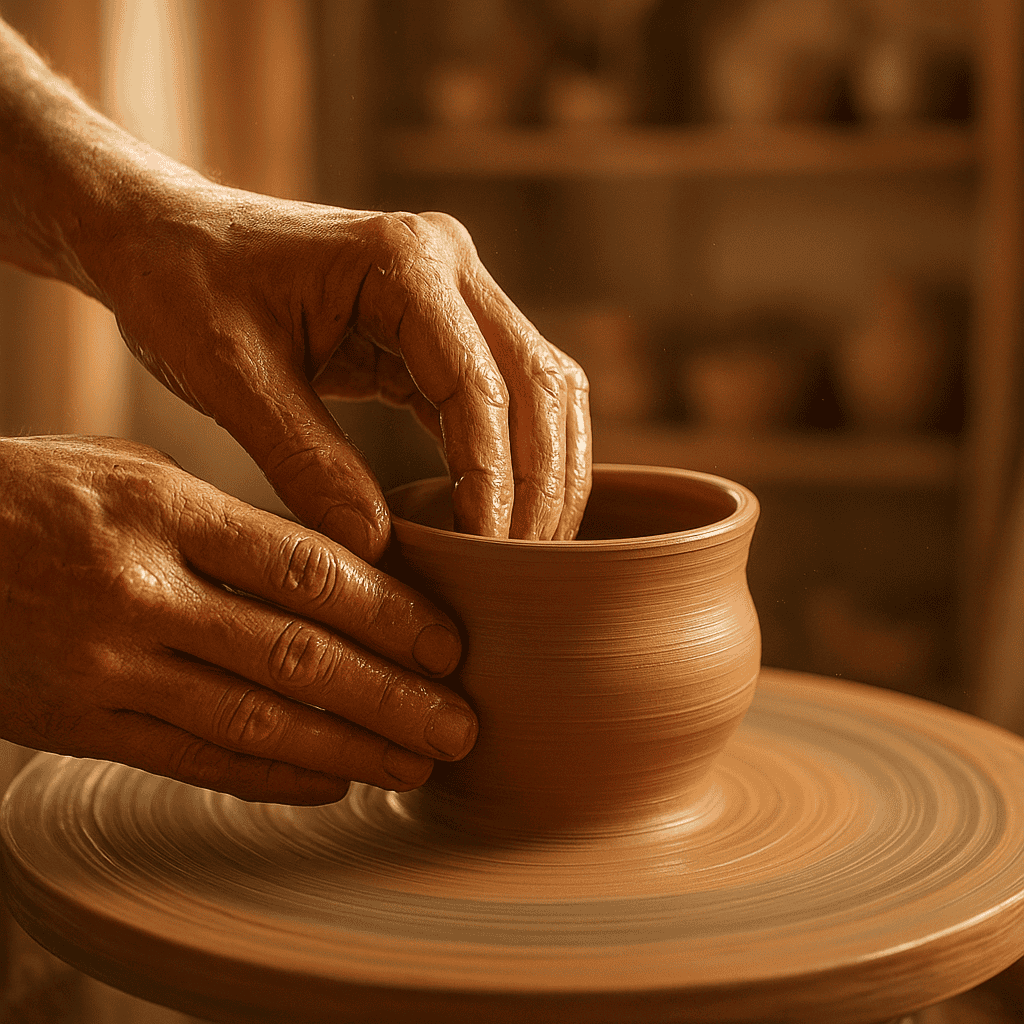
If your mind constantly churns through worries, you need hobbies that demand full sensory engagement. Pottery, wood carving, and painting require hand-eye coordination that makes it difficult to mentally rehearse tomorrow’s presentation or replay yesterday’s awkward conversation. The messier, the better—activities that involve texture (clay, soil, flour) ground you firmly in physical reality.
For Stress Relief: Expressive Arts
Journalling, collage-making, and abstract painting provide safe containers for processing difficult emotions. You don’t need artistic talent; the value lies in externalising internal states, transforming vague unease into something concrete you can observe and understand.
Understanding the 5 Hobby Rule and Other Frameworks
You might have encountered the 5 hobby rule making the rounds on social media. This concept suggests maintaining five different types of hobbies: one to keep you creative, one to keep you in shape, one to build your knowledge, one to evolve your mindset, and one to make you money. Whilst this framework isn’t clinically prescribed, it touches on a valid truth: variety in leisure activities supports holistic wellbeing.
However, if five hobbies sounds like another item for your to-do list, consider the more manageable 3 hobby rule or simply aim for two—one active and one creative. The goal isn’t to accumulate hobbies like achievements, but to ensure your downtime includes activities that genuinely restore rather than deplete you.
When considering healthy hobbies for mental health, remember that consistency matters more than intensity. The hobby that doctor says can boost your mental health in just two hours a week isn’t a specific activity, but rather regular engagement with any creative pursuit. Whether that’s 20 minutes daily or one longer weekly session, the compound effect of regular creation builds resilience over time.
10 Common Hobbies and Their Specific Benefits
Curious about what are the 10 most common hobbies and why they’re so popular? Here’s how familiar favourites support psychological wellbeing:
- Reading: Reduces stress by up to 68%, according to research from the University of Sussex, by lowering heart rate and easing muscle tension
- Gardening: Combines gentle exercise with exposure to beneficial soil microbes that may boost serotonin production
- Cooking and baking: Offers immediate sensory rewards and opportunities for nurturing others, triggering oxytocin release
- Walking in nature: Combines physical activity with attention restoration, particularly effective for depression
- Photography: Encourages mindfulness by training you to notice beauty in ordinary moments
- Playing music: Enhances emotional expression and reduces anxiety through rhythmic engagement
- Knitting or sewing: Provides portable stress relief with tangible outcomes and rhythmic, meditative movements
- Writing or journalling: Helps organise chaotic thoughts and process complex emotions
- Dancing: Combines physical exercise with creative expression and social connection
- Painting or drawing: Offers non-verbal emotional processing and flow state induction
The best hobbies for anxiety and depression often share common features: they’re process-oriented rather than results-focused, they involve some level of challenge without overwhelming pressure, and they allow for solitude or social connection depending on your needs.
Practical Tips for Starting a Creative Hobby
Knowing that creative activities support mental health is one thing; actually maintaining a hobby is another. Here’s how to build a sustainable practice:
Start Smaller Than You Think Necessary
Don’t buy £200 worth of equipment before your first session. Borrow, hire, or buy second-hand. Give yourself permission to create terrible first attempts—the psychological benefits come from the process, not the masterpiece.
Schedule It Like a Doctor’s Appointment
When to take a mental health day? When you notice warning signs like persistent exhaustion, irritability, or difficulty concentrating. But don’t wait for crisis point to prioritise your hobby. Block out time weekly, treating it as non-negotiable maintenance for your mind. The hobby that boosts your mental health in two hours a week only works if you actually do those two hours.
Embrace the Beginner’s Mind
The pressure to be “good” at something kills the therapeutic value. Approach your hobby with curiosity rather than judgement. If you find yourself criticising your efforts, remind yourself that the goal is neural engagement and stress reduction, not Instagram-worthy results.
Connect When It Helps, Solo When It Doesn’t
Some people thrive in evening classes or crafting circles, finding that social connection amplifies the benefits. Others need solitude to recharge. Honour your temperament—forcing social interaction when you need quiet will undermine the restorative effects.
Making Creativity a Sustainable Part of Your Life
The most common reason people abandon hobbies isn’t lack of interest—it’s the all-or-nothing mindset. You miss a week, then feel you’ve failed, so you give up entirely. Instead, think of creative hobbies like brushing your teeth: ideally daily, but valuable even when intermittent.
Consider rotating between hobbies seasonally. Gardening might dominate spring and summer, whilst winter calls for indoor activities like baking or painting. This natural rhythm prevents boredom and matches your energy levels to appropriate activities, much like eating seasonally for health aligns your diet with natural cycles.
Remember that healthy hobbies for mental health shouldn’t feel like obligations. If you dread your scheduled knitting time, give yourself permission to switch to something else. The goal is engagement and flow, not ticking boxes.
Conclusion
Creative hobbies offer a accessible, side-effect-free approach to supporting mental wellbeing. Whether you choose the rhythmic comfort of knitting, the tactile absorption of pottery, or the expressive freedom of painting, the act of making things provides a counterbalance to our consumption-heavy, screen-mediated lives. By engaging your hands and focusing your mind, these activities reduce stress hormones, boost mood-regulating neurotransmitters, and provide a sense of accomplishment that scrolling never delivers.
You don’t need to master a craft or produce professional-quality work to reap the benefits. Start with two hours this week—perhaps trying that hobby that doctors recommend for boosting mental health through regular creative engagement. Your mind will thank you for the opportunity to create, rather than just consume, and to find stillness in the simple, profound act of making something with your own hands.



Leave a Reply