
There’s something deeply satisfying about rescuing a tired old sideboard or a battered oak chair and giving it a second life. Beyond the creative joy, upcycling wooden furniture sits at the heart of a broader shift towards sustainable living — one where we stop treating furniture as disposable and start recognising the value hidden in the materials already around us.
With the UK alone throwing away around 22 million pieces of furniture every year, according to research by the North London Waste Authority, the case for upcycling has never been stronger. Most of that furniture is perfectly usable or easily restorable, yet it ends up in landfill or incinerated. Wooden furniture, in particular, is ideal for upcycling — solid wood can be sanded, refinished, reconfigured, and repainted almost endlessly without losing its structural integrity.
Whether you’re a seasoned DIYer or someone who’s never picked up a sander, this guide covers practical, achievable upcycling ideas for wooden furniture, the sustainable materials to look for, and how to make upcycled pieces work beautifully in a modern home.
Why Upcycling Wooden Furniture Matters More Than Ever
The environmental argument for upcycling is compelling on its own, but it becomes even more persuasive when you dig into the numbers. The furniture industry is a significant contributor to carbon emissions — from the harvesting of timber to manufacturing, transport, and eventual disposal. A single new wooden dining table carries a carbon footprint that spans forest management, processing, and shipping, often across continents.
By choosing to upcycle rather than replace, you’re effectively reducing demand for new raw materials and keeping existing products in circulation for longer. Research from the Waste and Resources Action Programme (WRAP) suggests that extending the life of furniture by just nine extra years could reduce its carbon, water, and waste impacts by around 20–30%.
But the benefits go beyond the environmental:
- Uniqueness: No two upcycled pieces are identical. You’re creating something with character and history that simply cannot be bought on the high street.
- Quality: Older wooden furniture is often built to a higher standard than modern flat-pack alternatives. Dovetail joints, solid hardwood construction, and quality veneers are common in pieces from the mid-twentieth century and earlier.
- Cost savings: A secondhand oak chest of drawers from a charity shop might cost £30–£50, compared to several hundred pounds for a comparable new piece. Even accounting for paint, sandpaper, and varnish, the savings are substantial.
- Skill building: Each project teaches you something new — sanding techniques, understanding wood grain, colour mixing, joinery basics. Over time, you build genuine capability.
What Are Some Ideas for Upcycling Furniture?
One of the most common questions people ask when they first consider upcycling is simply: what can I actually do with this old thing? The answer, in most cases, is “more than you think.” Here are tried-and-tested ideas that work across a range of skill levels.
Paint and Refinish for a Fresh Look
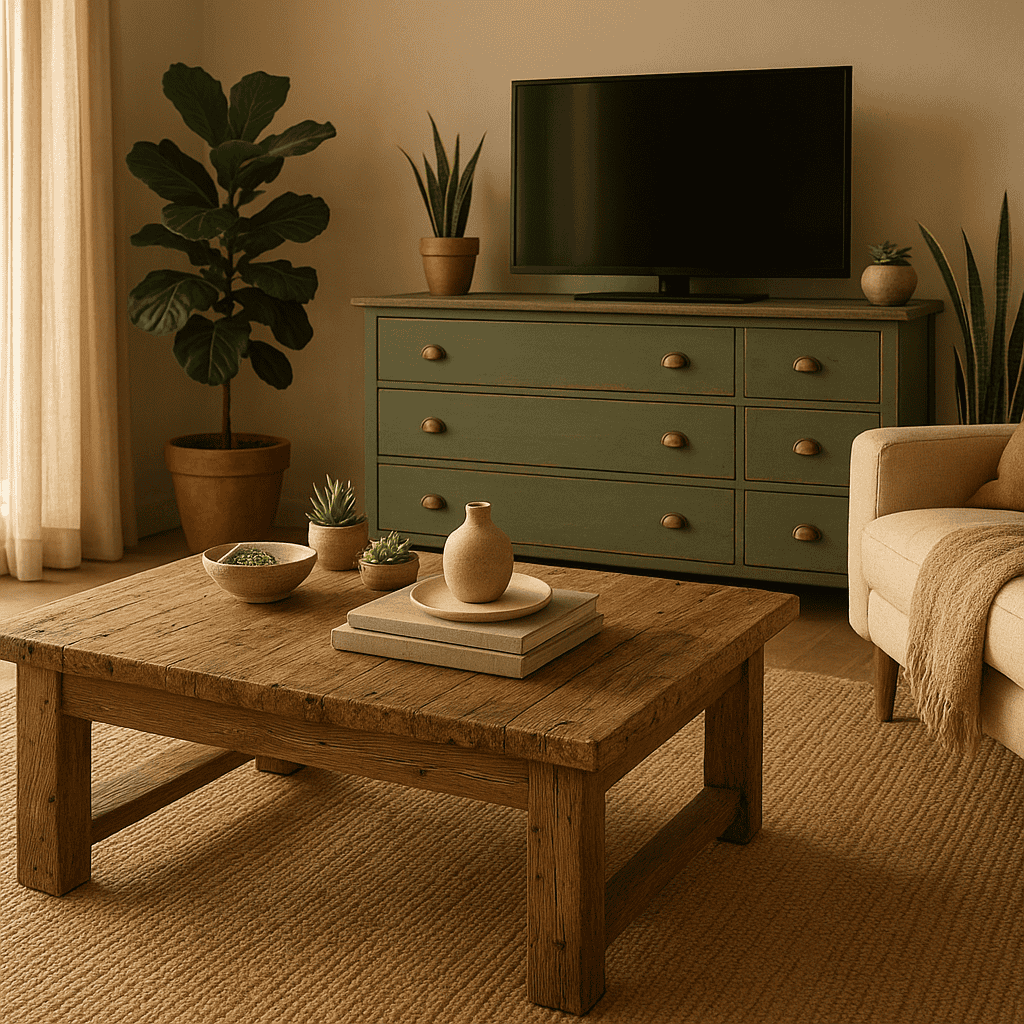
The simplest and most transformative upcycling technique is a fresh coat of paint or a new finish. Chalk paint has become enormously popular for this purpose — it requires minimal preparation, adheres to most surfaces, and produces a soft, matte finish that suits both contemporary and traditional interiors.
For a more dramatic transformation, consider:
- Two-tone treatments: Paint the frame one colour and leave the drawer fronts or tabletop in natural wood, lightly sanded and sealed with wax or oil. This creates a striking contrast that works particularly well on mid-century pieces.
- Colour drenching: Paint the entire piece in a single bold colour — deep green, terracotta, or navy — for a statement piece that anchors a room.
- Stencilling and hand-painted details: Adding a subtle pattern to drawer fronts or table legs can elevate a simple piece into something genuinely artistic.
- Shabby chic distressing: Apply paint, then sand back edges and high points to reveal the wood beneath. This technique suits country-style and cottage interiors and is remarkably forgiving for beginners.
Repurpose and Reimagine
Some of the most successful upcycling projects involve changing a piece’s function entirely:
- An old dresser becomes a bathroom vanity unit with a basin cut into the top.
- A wooden ladder transforms into open shelving or a towel rail.
- A chest of drawers gets converted into a kitchen island with a butcher-block top.
- Old wooden crates are stacked and secured to create modular shelving or a bedside table.
- A dining table too damaged to restore becomes two matching console tables, cut in half and mounted to the wall.
The key is to look at furniture for its structural qualities — the quality of the timber, the sturdiness of the frame — rather than its original purpose.
Update Hardware and Details
Sometimes the simplest changes make the biggest difference. Replacing dated handles with brushed brass knobs, leather pulls, or ceramic alternatives can completely change a piece’s character. Adding new legs to a sideboard — hairpin legs for an industrial look, turned wooden legs for a more traditional feel — lifts it visually and physically. Lining drawers with patterned paper or fabric adds a hidden touch of luxury.
What Are Sustainable Materials for Furniture?
When choosing furniture to upcycle — or materials to use in your projects — understanding what makes a material genuinely sustainable helps you make better decisions.
The Best Sustainable Wood Options
- Reclaimed wood: Timber salvaged from old buildings, barns, boats, and factories is arguably the most sustainable option available. It requires no new tree harvesting, often has unique character from decades of use, and is frequently hardwood that would be prohibitively expensive to buy new.
- FSC-certified timber: The Forest Stewardship Council certification ensures wood comes from responsibly managed forests. Look for the FSC logo when buying new timber for upcycling projects.
- Bamboo: Technically a grass, bamboo grows extraordinarily fast — some species can grow up to 91 centimetres in a single day. It’s strong, lightweight, and increasingly used in furniture construction.
- Solid hardwoods (oak, teak, walnut, mahogany): While not as fast-growing as bamboo, hardwoods are incredibly durable. A solid oak piece can last generations, which is precisely why so much of it ends up in charity shops and car boot sales — it outlasts its owners’ changing tastes.
- Recycled composite materials: Some modern upcyclers combine reclaimed wood with recycled metal, glass, or plastic components, creating hybrid pieces that reduce waste across multiple material streams.
Finishes and Treatments
Sustainability doesn’t stop at the wood itself. The finishes you choose matter too. Traditional paints and varnishes often contain volatile organic compounds (VOCs) that are harmful to both health and the environment. Look for:
- Low-VOC or zero-VOC paints: Most major paint brands now offer eco-friendly ranges.
- Natural oils and waxes: Danish oil, tung oil, linseed oil, and beeswax are effective, natural alternatives to synthetic varnishes. They nourish the wood, enhance grain, and are far more pleasant to work with.
- Milk paint: An ancient formula made from milk protein, lime, and natural pigments. It produces a distinctive, slightly chalky finish and is completely biodegradable.
How to Bring Wooden Furniture Back to Life: A Practical Approach
Restoring wooden furniture doesn’t require a workshop or professional tools. Many successful upcyclers work from a kitchen table, a garage, or a garden shed with nothing more than a few basic supplies. Here’s a reliable process that works for most wooden pieces.
Step 1: Assess and Clean
Before doing anything, examine the piece carefully. Check for woodworm (look for small holes and fine dust), loose joints, water damage, and the general condition of the surface. Clean thoroughly with a solution of warm water and mild soap, or use a dedicated wood cleaner. For pieces with heavy wax or polish build-up, a product containing white spirit will strip away old residue effectively.
Step 2: Repair
Fill any holes, scratches, or dents with wood filler matched to the timber colour. Reglue loose joints using wood glue and clamps. If a drawer runner has worn away, replace it — this is a simple job that makes a huge functional difference. Don’t skip this stage: structural repairs done properly at the start save frustration later.
Step 3: Sand
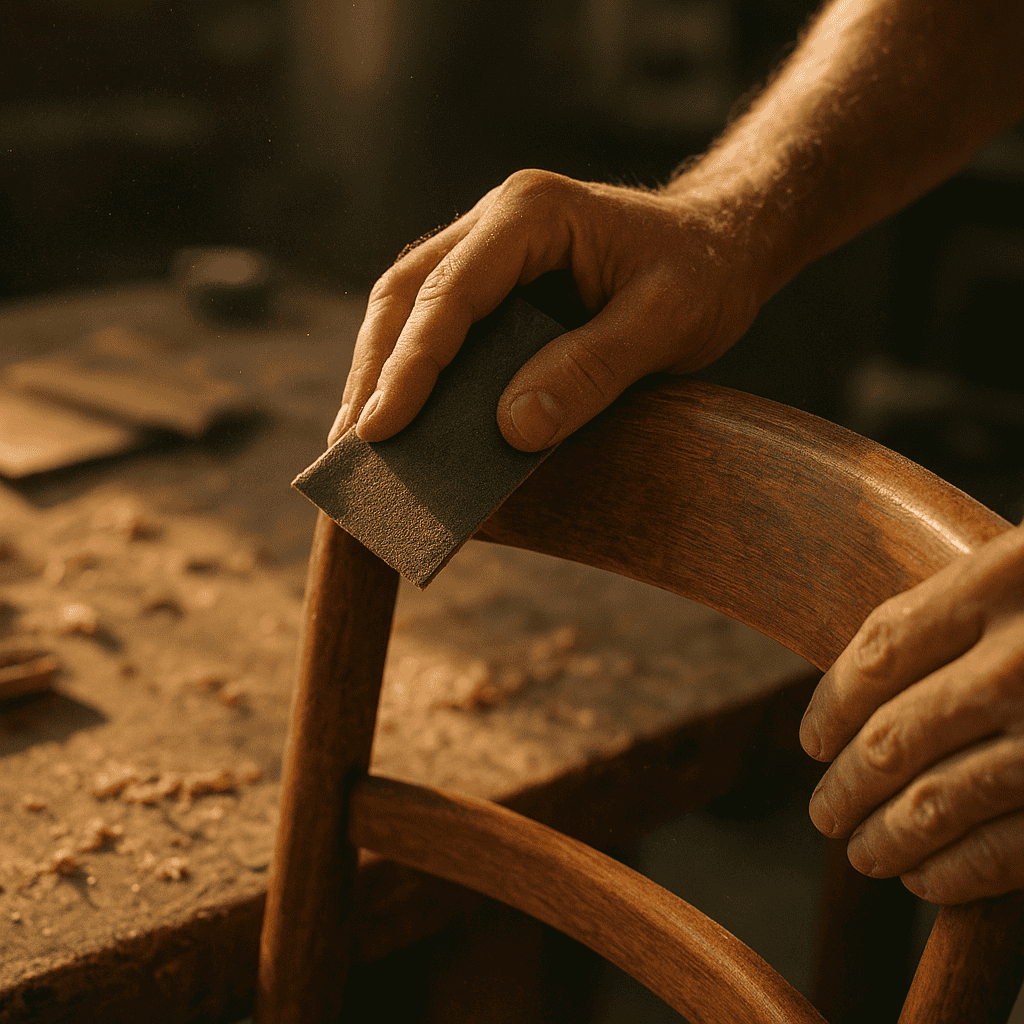
Sanding is arguably the most important step in any upcycling project. Start with a coarser grit (80–120) to remove old finish and level the surface, then progress to finer grits (180–240) for a smooth finish. Always sand in the direction of the grain. An electric sander speeds up the process considerably, but hand sanding works perfectly well for smaller pieces.
If you’re painting with chalk paint, a light sanding to provide “key” for the paint is sufficient — you don’t need to strip back to bare wood.
Step 4: Prime and Paint (or Stain and Seal)
Apply a suitable primer if you’re painting — this is especially important on previously varnished or lacquered surfaces. Then apply your chosen paint in thin, even coats, allowing proper drying time between each. Two to three coats usually produce the best result.
If you prefer to showcase the natural wood grain, apply a wood stain to achieve your desired tone, then seal with wax, oil, or varnish. Each option produces a different effect: wax gives a soft sheen, oil provides a natural matte look, and varnish offers maximum durability.
Step 5: Finish and Protect
The final step protects your work. For painted furniture, a coat of clear wax or polycrylic sealer adds durability, particularly on surfaces that will see heavy use. For stained or natural finishes, ensure the sealant is appropriate for the intended use — kitchen tables need more robust protection than decorative side tables.
Creative Ways to Reuse Old Wood Beyond Furniture Restoration
Not every piece of old wood is a complete item of furniture waiting to be refinished. Sometimes you inherit offcuts, salvaged planks, or fragments from larger projects. These materials are far too valuable to discard.
- Floating shelves: A single length of reclaimed scaffold board, sanded and oiled, makes a stunning rustic shelf. Brackets can be hidden for a floating effect or left visible for an industrial aesthetic.
- Picture frames and mirrors: Old skirting boards, floorboards, and fence panels can be cut and mitred into unique frames.
- Headboards: Arranged vertically or horizontally, reclaimed planks create a headboard with genuine character — no two will ever look the same.
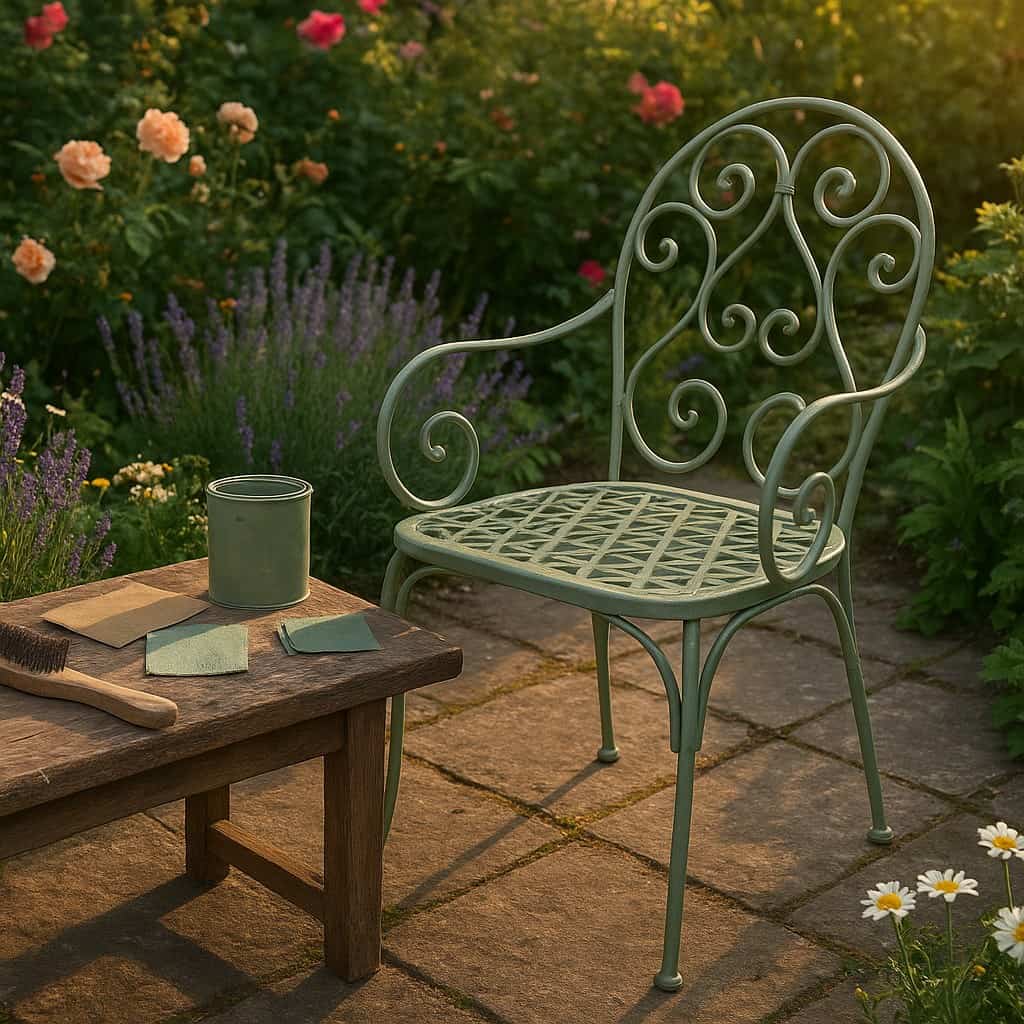
- Planter boxes and garden features: Wood that’s too weathered for interior use often thrives outdoors. Old drawers become planters; planks become raised beds or garden edging.
- Wall panelling and cladding: Thin strips of reclaimed wood arranged in herringbone or vertical patterns add warmth and texture to any room — a technique that has become increasingly popular in contemporary interiors.
- Chopping boards and serving platters: Smaller offcuts of hardwood can be shaped, sanded smooth, and treated with food-safe oil to create beautiful, functional kitchen pieces.
How to Blend Upcycled Wood Furniture Into a Modern Interior
One of the hesitations people have about upcycling is whether the finished piece will look at home in a contemporary setting. The concern is understandable — nobody wants their living room to look like a jumble sale. But with a thoughtful approach, upcycled furniture can actually elevate a modern interior in ways that mass-produced pieces simply cannot.
Choose a Cohesive Colour Palette
The single most effective way to make upcycled furniture feel intentional rather than mismatched is to work within a defined colour scheme. If your living room centres around warm neutrals and natural textures, choose paint colours and finishes that complement — soft whites, warm greys, sage greens, or natural wood tones. Consistency across pieces creates harmony even when the furniture styles differ.
Mix Eras Deliberately
The most interesting interiors mix periods and styles. A Victorian chest of drawers painted in a contemporary colour looks striking against a minimalist backdrop. A mid-century sideboard refinished in natural wood sits beautifully alongside a modern sofa. The contrast is what makes it work. Interior designers often recommend the 80/20 rule — 80% of the room in one dominant style, with 20% in contrasting or accent pieces. Upcycled furniture is perfect for that 20%.
Let the Piece Breathe
A common mistake is overcrowding a room with too many statement pieces. If you’ve upcycled a dramatic armoire or a boldly painted dining table, give it space to be appreciated. Keep surrounding furniture and accessories relatively simple, and let the upcycled piece serve as the focal point it deserves to be.
Use Texture and Material Contrast
Pairing upcycled wood with contrasting materials — glass, metal, stone, linen, ceramic — creates visual interest and prevents the space from feeling one-dimensional. A rough-hewn reclaimed wood coffee table against a sleek leather sofa, for example, achieves a balance that feels both warm and contemporary.
Common Mistakes to Avoid When Upcycling
Even experienced upcyclers make mistakes, but being aware of the most common pitfalls can save considerable time and frustration:
- Skipping preparation: Inadequate cleaning, sanding, or priming leads to paint that chips, peels, or looks uneven. Preparation is tedious but non-negotiable.
- Using the wrong paint type: Not all paints are suitable for furniture. Emulsion wall paint, for example, is not durable enough for surfaces that will be touched and used regularly.
- Over-distressing: The shabby chic look works when it appears natural. Overdone distressing looks artificial and can cheapen an otherwise beautiful piece.
- Ignoring the environment: Wood expands and contracts with changes in temperature and humidity. If you’re upcycling a piece for a bathroom or conservatory, choose finishes and products that account for this movement.
- Rushing the drying process: Applying a second coat before the first is fully cured, or using furniture before the finish has hardened, leads to tackiness, marks, and poor durability. Patience genuinely is a virtue in upcycling.
Where to Find Wooden Furniture Worth Upcycling
Part of the pleasure of upcycling is the hunt. Some of the best sources for affordable, quality wooden furniture include:
- Charity shops and furniture reuse organisations: Often the cheapest option, and your purchase supports a good cause. The Reuse Network and similar organisations list furniture reuse projects across the UK.
- Online marketplaces: Facebook Marketplace, Gumtree, eBay, and Freecycle are rich sources of free or low-cost furniture. Set up alerts for specific items you’re looking for.
- Car boot sales and flea markets: Early birds get the best pieces. Arrive when sellers are setting up and be prepared to negotiate.
- Auction houses: Local auctions frequently feature solid wooden furniture at surprisingly low prices, particularly pieces that aren’t currently fashionable but have excellent bones.
- Skip diving and street finds: People regularly discard perfectly good furniture. In many areas, it’s common practice to leave usable items outside with a “free” sign.
Conclusion
Upcycling wooden furniture is one of the most accessible, rewarding, and genuinely impactful ways to embrace sustainable living. It reduces waste, cuts carbon emissions, saves money, and produces unique pieces that bring character and warmth to your home. Whether you’re painting a charity shop find in a bold contemporary colour, restoring a mid-century classic to its former glory, or turning salvaged planks into shelves and frames, every project contributes to a more circular, less wasteful approach to the objects we live with.
The most important step is simply to start. Pick a small, low-risk piece — a bedside table, a stool, a wooden box — and work through the process of cleaning, repairing, sanding, and finishing. You’ll learn more from that single project than from hours of reading, and you’ll likely discover that the hardest part of upcycling isn’t the technique. It’s resisting the urge to rescue every beautiful, neglected piece of wooden furniture you come across.


Leave a Reply